What Is Foreign Exchange and How It Works in United
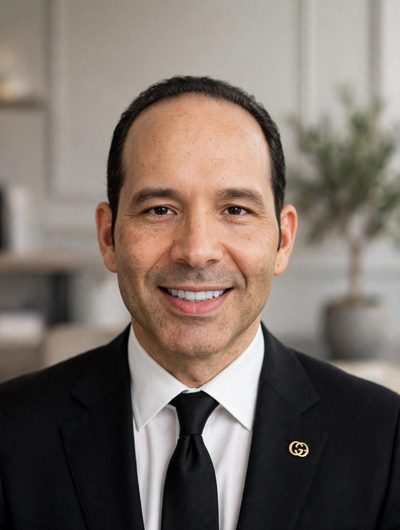
 Renan Filho · Founder & Tech Builder
Quick answer: Foreign exchange is the global market where currencies trade 24/5. It works by matching buyers and sellers of currencies at floating rates set by supply and demand. For Americans, forex directly affects how much your dollars buy abroad and what imported goods cost at home. It's not just for traders—your 401(k) and IRA feel it too.
Key data for United States (2026-08-07)
| Aspect | Detail | Source |
|---|---|---|
| Local index | S&P 500 | NYSE and Nasdaq |
| Currency | US dollar ($) | $ |
| Reference rate | 4.25-4.50% (2026) | Federal Reserve (FOMC) |
| Regulator | SEC (Securities and Exchange Commission) | Oficial |
Who Sets the Dollar's Value?
the Federal Reserve (FOMC) sets interest rates, currently at 4.25-4.50% in 2026. That number directly affects the dollar's strength. Higher rates attract foreign investors who buy US bonds, pushing the dollar up. Lower rates do the opposite. When the Fed cuts rates—like it did earlier this year—the dollar tends to weaken against the euro or yen. That's why every FOMC meeting is a big deal for forex markets. The SEC (Securities and Exchange Commission) regulates forex brokers operating in the US, ensuring they don't pull shady moves with your money. But it doesn't set currency values.
How Forex Hits Your S&P 500 Index Fund
Say you have $10,000 in an S&P 500 index fund through Vanguard or Schwab. Over 10 years at 8% annual return, that grows to roughly $21,589. But that assumes stable dollar conditions. When the dollar gets stronger, US multinationals in the S&P 500 (think Apple, Microsoft) earn less from overseas sales because foreign revenues convert to fewer dollars. That can drag the index down. A weaker dollar helps exporters. So the currency market isn't separate from your 401(k) or IRA—it's baked in. Many brokerage accounts now offer currency-hedged ETFs to reduce this risk.
Taxes on Forex Trading in the US
the IRS treats forex profits as ordinary income unless you meet specific criteria. Most retail traders file under Section 1256 contracts (if trading currency futures) which get a 60/40 split: 60% long-term capital gains (up to 20% tax) and 40% short-term. You'll report everything on a 1099-DIV or 1099-B from your broker. The SEC doesn't directly tax, but it monitors forex brokers to ensure they disclose fees and risks properly. If you trade through a US-regulated broker, your tax reporting is simpler. You can also hold currency ETFs inside a Roth IRA and avoid some tax headaches.
Real Example: How a Fed Rate Decision Moves Your Money
in 2025, the FOMC held rates at 5.25-5.50% for several months. The dollar surged against the euro—from 1.10 to 0.92 per euro. Then in early 2026, the Fed cut 75 basis points to 4.25-4.50%. The dollar dropped back to 1.05 per euro. For an American buying European stocks via a brokerage account, that change meant a 7% hit on currency conversion alone. If you had $10,000 in a European index fund, it suddenly purchased fewer euros in investments. Inflation data (CPI) drives these moves monthly, so investors watch both CPI and forex like hawks.
Plain Talk on Why Americans Should Care
Forex isn't just for speculators. It impacts your grocery bill when the dollar dips and imports cost more. It affects your retirement account performance even if you never trade a currency pair. The most practical approach? Use index funds tied to the S&P 500—like VOO or SWPPX—since they're dollar-denominated. If you want international exposure, consider currency-hedged funds. Avoid rushing into forex spread betting or margin trading; the SEC warns most retail forex traders lose money. Stick to longer timeframes like your 401(k) horizon. That's where real wealth builds.
Practical example in United States
$10,000 in an S&P 500 index fund with 8% annual return grows to ~$21,589 in 10 years
Risks and cautions
Volatilidade do mercado, mudanças na política monetária de Federal Reserve (FOMC) e fatores geopolíticos globais são os principais pontos de atenção para investidores em United States.
| Aspecto | Detalhe | Fonte |
|---|---|---|
| Central bank rate (2026) | 4.25-4.50% (FOMC) | Federal Reserve |
| Currency effect on S&P 500 | Strong dollar cuts multinational profits by ~3-5% | S&P Global analysis |
| Typical tax on forex gains | 60/40 split (60% LTCG ≤20%, 40% STCG) | IRS Section 1256 |
| Major US stock exchanges | NYSE and Nasdaq | SEC filing data |
Frequently asked questions
What is foreign exchange in simple terms?
It's the market where dollars, euros, yen, and other currencies are swapped. The price of each currency moves based on interest rates, inflation, and global demand.
Does the Federal Reserve control the dollar directly?
Not directly. The Fed sets interest rates, which influence how attractive the dollar is to foreign investors. A higher rate usually lifts the dollar.
Can forex trading be done inside a 401(k)?
Not directly. Some 401(k) plans offer currency funds or international ETFs that react to forex, but pure currency trading is typically done in a brokerage account.
How is forex taxed for US residents?
It depends. Currency futures get a 60/40 long-term/short-term capital gains split. Spot forex profits are usually ordinary income. Your broker sends a 1099 form.
What's the safest way for Americans to deal with forex?
Use dollar-denominated S&P 500 index funds. If you want international exposure, pick currency-hedged ETFs. Avoid margin trading forex in a brokerage account.
Sources and authority
This guide is part of the MoneyApp financial education ecosystem. For tax questions in Brazil, see Agente Tributário.
Related articles
- What is the S&P 500 and how to invest
- Nasdaq Composite: complete guide
- Dow Jones Industrial Average explained
← Back to MoneyApp United States
MoneyApp · Financial education in United States · Consult SEC (Securities and Exchange Commission) for official guidance.
Important notice: Important notice: this content is for educational and informational purposes only and does NOT constitute investment advice, an offer, or personalized financial advice. Past performance does not guarantee future results. Always consult a qualified professional (SEC, FCA or your local regulator) before making decisions.