Money and Psychology in United States 2026
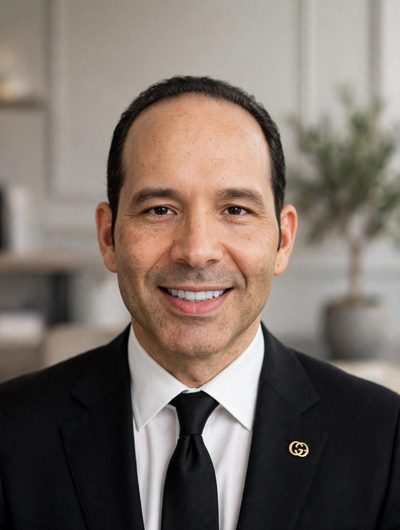
 Renan Filho · Founder & Tech Builder
Quick answer: Financial biases—like loss aversion and overconfidence—routinely derail American investors, from 401(k) allocations to S&P 500 trades. With the Federal Reserve holding rates at 4.25-4.50% and CPI swinging markets, understanding these mental shortcuts is the first step to protecting your brokerage account.
Key data for United States (2026-08-05)
| Aspect | Detail | Source |
|---|---|---|
| Local index | S&P 500 | NYSE and Nasdaq |
| Currency | US dollar ($) | $ |
| Reference rate | 4.25-4.50% (2026) | Federal Reserve (FOMC) |
| Regulator | SEC (Securities and Exchange Commission) | Oficial |
Loss Aversion: Why You Sell Low on S&P 500 Dips
Loss aversion makes the pain of losing $10,000 feel twice as strong as the pleasure of gaining the same amount. In 2026, with the Federal Reserve holding rates at 4.25-4.50%, a CPI surprise can drop the S&P 500 by 3% in a day. Many investors panic-sell their index funds, locking in losses. But if you had kept $10,000 in a Vanguard S&P 500 index fund earning 8% annually, you'd have ~$21,589 in 10 years. The bias turns paper volatility into real losses. Stay invested.
Overconfidence and Active Trading Costs in Your Brokerage Account
Overconfidence leads US investors to believe they can time the market. Data shows frequent traders underperform buy-and-hold strategies. With long-term capital gains tax at 0-20%, short-term gains are taxed as ordinary income, hitting your net returns. Instead of day-trading individual stocks, automatic contributions to a Schwab index fund or IRA harness compounding. The Federal Reserve's rate path is unpredictable; your ego doesn't need to be. Diversify, set rebalancing rules, and ignore the noise from FOMC minutes.
Anchoring to Old Prices and Fed Predictions
Anchoring happens when you fix on a stock's $200 price and refuse to sell at $150, even when fundamentals weak. Similarly, investors anchor to the Federal Reserve's 2025 rate peak, expecting a 4.25-4.50% forever. But 2026 inflation data shifts forecasts. This bias makes you miss rebalancing opportunities. Review your 401(k) or IRA quarterly, not based on memory, but on current SEC filings and market conditions. The S&P 500's forward PE matters more than where it traded last year.
Herd Behavior in 2026 CPI and FOMC Headlines
When the BLS releases CPI and the FOMC announces a rate decision, social media and financial TV trigger herd behavior. Everyone buys tech stocks or flees to cash simultaneously. This crowds out rational analysis. In March 2026, a hot CPI print led to $15 billion outflow from equity funds in one week. Herd bias makes you sacrifice your personal risk tolerance for the mob. Stick to your written investment policy statement. Index funds like those from Vanguard or Schwab automatically rebalance, saving you from emotional stampedes.
Recency Bias and Your 401(k) Retirement Plan
Recency bias makes you overweight recent performance. If the Nasdaq rallied for two years, you might dump bonds and put 100% into growth stocks. But the S&P 500 returns 8% average, not a straight line. After a 2025 bull run, 2026 might turn. Your 401(k) is a long-term vehicle. Use target-date funds that glide. Remember, capital gains tax on long-term holdings is lower, so don't sell due to one quarter's returns. Review your 1099-DIV annually to see actual dividends, not just the headline gains.
Practical example in United States
$10,000 in an S&P 500 index fund with 8% annual return grows to ~$21,589 in 10 years
Risks and cautions
Volatilidade do mercado, mudanças na política monetária de Federal Reserve (FOMC) e fatores geopolíticos globais são os principais pontos de atenção para investidores em United States.
| Loss aversion | US investors often sell index funds after a 3% S&P 500 drop, locking in losses. | Kahneman & Tversky |
|---|---|---|
| Overconfidence | Active traders underperform passive index funds, especially after taxes. | Dalbar Study |
| Anchoring | Fixing on a stock's old price or Fed's prior rate level distorts selling decisions. | CFA Institute |
| Herd behavior | Following CPI/FOMC news crowds causes impulsive asset allocation shifts. | Federal Reserve |
Frequently asked questions
What is the biggest financial bias for US investors?
Loss aversion is the most common, causing people to feel losses more intensely than gains. This leads to panic selling in S&P 500 dips, hurting long-term returns in 401(k)s.
How does the Federal Reserve's rate decision affect financial biases?
FOMC rates of 4.25-4.50% create anchoring. Investors assume rates stay high, but CPI changes can shift policy. That anchors your expectations, causing mispriced trades.
Should I avoid any stock trading because of biases?
Not necessarily, but consider using index funds from Vanguard or Schwab. They reduce emotional decisions. If you trade, keep a journal and set rules to counter overconfidence.
How do capital gains taxes influence biased behavior?
Short-term gains are taxed at higher rates (up to 37%) vs long-term 0-20%. Overconfident trading increases tax drag, so you need to earn more to break even.
Can I use 1099-DIV to detect biases?
Yes, review your 1099-DIV. If you see unexpected dividends or sales, it might reflect herding or recency. Use it to rebalance your IRA and align with your risk plan.
Sources and authority
This guide is part of the MoneyApp financial education ecosystem. For tax questions in Brazil, see Agente Tributário.
Related articles
- What is the S&P 500 and how to invest
- Nasdaq Composite: complete guide
- Dow Jones Industrial Average explained
← Back to MoneyApp United States
MoneyApp · Financial education in United States · Consult SEC (Securities and Exchange Commission) for official guidance.
Important notice: Important notice: this content is for educational and informational purposes only and does NOT constitute investment advice, an offer, or personalized financial advice. Past performance does not guarantee future results. Always consult a qualified professional (SEC, FCA or your local regulator) before making decisions.