Currency Risk in Investments in United States 2026
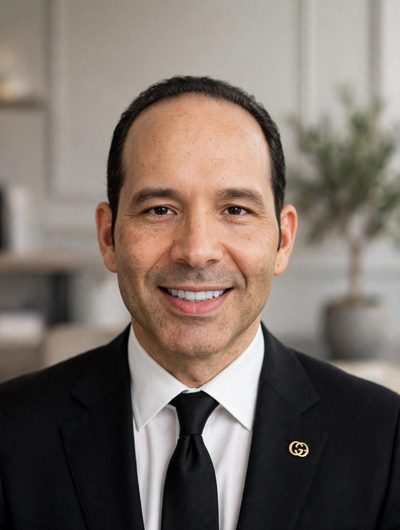
 Renan Filho · Founder & Tech Builder
Quick answer: Currency risk in investments is the chance that exchange-rate moves reduce the dollar value of your foreign holdings. For U.S. investors, that means a weaker euro or yen can cut returns even if the foreign stock rises. The Fed's 2026 policy path and CPI data amplify these swings.
Key data for United States (2026-08-05)
| Aspect | Detail | Source |
|---|---|---|
| Local index | S&P 500 | NYSE and Nasdaq |
| Currency | US dollar ($) | $ |
| Reference rate | 4.25-4.50% (2026) | Federal Reserve (FOMC) |
| Regulator | SEC (Securities and Exchange Commission) | Oficial |
What Is Currency Risk for American Investors?
Currency risk in investments matters when you own assets priced in foreign currencies. A U.S. investor buying shares on NYSE or Nasdaq through a brokerage account is not directly exposed if the company earns abroad, but an international fund held in a 401(k) or IRA converts gains back to dollars. If the euro or yen falls against the dollar, your statement shows a lower balance even when the foreign stock gains. The SEC requires funds to disclose currency exposure in the prospectus, so check the currency-hedging language before you buy. In 2026, with Fed policy and CPI reports moving markets, currency swings can be as important as stock picks.
How the Federal Reserve and CPI Drive Currency Risk
the Federal Reserve's FOMC sets the dollar's short-term rate, currently 4.25-4.50% in 2026. Higher U.S. rates tend to attract foreign capital, pushing the dollar up and making unhedged foreign investments worth less in dollars. Inflation data, especially CPI, changes the market's rate expectations minutes after the release. A hotter CPI usually boosts the dollar; a cooler number can weaken it. For a U.S. investor with an international equity fund, these moves create real dollar losses or gains. You cannot control the FOMC, but you can monitor the rate path and position your portfolio accordingly. The SEC's EDGAR database shows fund filings that classify currency forwards and options, giving you clues about how managers hedge.
Managing Currency Risk in 401(k)s, IRAs, and Brokerage Accounts
You can manage currency risk inside tax-advantaged accounts and taxable brokerage accounts without exotic trades. Many 401(k) plans and IRAs offer international index funds from Vanguard or Schwab that include hedged share classes. A hedged fund removes most currency moves; an unhedged fund keeps them. In a taxable brokerage account, you can pair a foreign-stock ETF with a dollar-hedged version or simply keep your core S&P 500 index fund in the majority of the portfolio. The SEC requires clear labels on fund names, so 'hedged' should mean exactly that. Rebalancing once a year is enough; frequent currency trades generate costs and tax events. The goal is diversification without betting your retirement on the greenback's next move.
Tax Consequences of Currency-Driven Gains and Losses
the IRS taxes most profits from selling fund shares, and currency swings don't change the basic rules. If you hold an international fund for more than one year, your gain qualifies for long-term capital gains tax at 0%, 15%, or 20% depending on taxable income. Short-term gains are taxed as ordinary income. Dividends paid by foreign companies appear on Form 1099-DIV and may include foreign taxes paid, which you can often claim as a credit. Currency losses inside a taxable brokerage account are not separately deductible unless you realize them through a Section 988 forex contract. For most investors, the simplest path is to buy and hold index funds in a 401(k) or IRA, where rebalancing and dividends do not trigger annual capital gains tax.
a $10,000 Scenario: Why Currency Timing Matters
Consider $10,000 in an S&P 500 index fund with an 8% annual return. Over 10 years, it grows to about $21,589. That is a purely dollar-based result from U.S. equities on NYSE and Nasdaq. Now imagine the same $10,000 in an unhedged international fund that earned the same 8% in local currency, but the dollar rose 20% against that currency during the decade. The dollar value would fall to about $17,991 before taxes, turning a strong stock return into a muted one. The lesson is not to avoid foreign stocks; it is to know how much currency risk you own. Your 401(k) or Schwab account statement will not separate exchange-rate effects. Read the fund's prospectus and use the SEC's EDGAR database to see whether currency exposure is hedged.
Practical example in United States
$10,000 in an S&P 500 index fund with 8% annual return grows to ~$21,589 in 10 years
Risks and cautions
Volatilidade do mercado, mudanças na política monetária de Federal Reserve (FOMC) e fatores geopolíticos globais são os principais pontos de atenção para investidores em United States.
| Currency driver | FOMC target range 4.25-4.50% in 2026; rate decisions and CPI move the dollar | Federal Reserve |
|---|---|---|
| Market benchmark | S&P 500 on NYSE and Nasdaq tracks U.S. large-cap stocks | S&P Dow Jones Indices |
| Regulator | SEC oversees fund disclosures, brokerage accounts, and investor protections | SEC (Securities and Exchange Commission) |
| Tax rule | Long-term capital gains 0-20%; foreign dividends reported on Form 1099-DIV | IRS |
Frequently asked questions
What is currency risk in investments?
Currency risk in investments is the possibility that exchange-rate movements reduce the dollar value of assets priced in foreign currencies. A stronger dollar makes foreign holdings worth less in U.S. terms; a weaker dollar makes them worth more. It applies mainly to international stocks, bonds, and funds.
Does currency risk affect an S&P 500 index fund held by a U.S. investor?
No directly, because the fund trades in dollars on NYSE or Nasdaq. However, many large U.S. companies earn a significant part of revenue overseas, so broad dollar moves can influence earnings. To isolate currency risk, check unhedged international funds.
How do Federal Reserve rate decisions affect currency risk?
the FOMC sets the federal funds rate, currently 4.25-4.50% in 2026. Higher rates tend to attract global capital and strengthen the dollar, which hurts unhedged foreign holdings. Lower rates tend to weaken the dollar and can boost the dollar value of foreign investments.
Should I hedge currency risk inside my 401(k) or IRA?
It depends on your goals. Retirement accounts allow you to rebalance without immediate capital gains tax, so you can use hedged funds to reduce volatility or unhedged funds to keep natural diversification. Many Vanguard and Schwab international funds offer hedged share classes.
How is currency-related profit taxed in a taxable brokerage account?
Profits from selling fund shares are taxed as capital gains: 0-20% long-term if held over one year, ordinary income if shorter. Dividends appear on Form 1099-DIV. In most cases, currency gains within a mutual fund are not taxed separately.
Sources and authority
This guide is part of the MoneyApp financial education ecosystem. For tax questions in Brazil, see Agente Tributário.
Related articles
- What is the S&P 500 and how to invest
- Nasdaq Composite: complete guide
- Dow Jones Industrial Average explained
← Back to MoneyApp United States
MoneyApp · Financial education in United States · Consult SEC (Securities and Exchange Commission) for official guidance.
Important notice: Important notice: this content is for educational and informational purposes only and does NOT constitute investment advice, an offer, or personalized financial advice. Past performance does not guarantee future results. Always consult a qualified professional (SEC, FCA or your local regulator) before making decisions.