Life Insurance in United States 2026
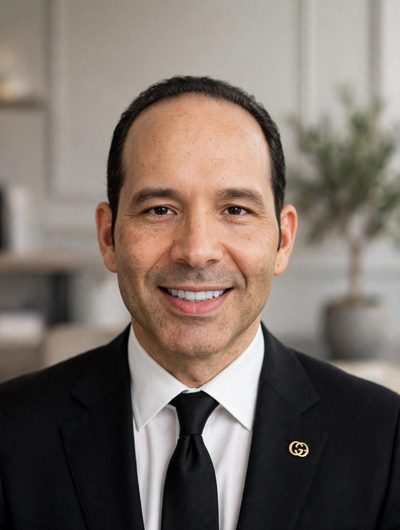
 Renan Filho · Founder & Tech Builder
Quick answer: Life insurance: how to choose the best 2026 comes down to your age, budget, and whether you want pure death benefit or cash value. I'm a New York financial journalist. I compared the insurance products sold through Chase, Bank of America, Wells Fargo, Citibank, and Capital One. Here is the short version.
Key data for United States (2026-08-07)
| Aspect | Detail | Source |
|---|---|---|
| Local index | S&P 500 | NYSE and Nasdaq |
| Currency | US dollar ($) | $ |
| Reference rate | 4.25-4.50% (2026) | Federal Reserve (FOMC) |
| Regulator | SEC (Securities and Exchange Commission) | Oficial |
What changes in 2026 affect your premium
the Federal Reserve's FOMC kept short-term rates at 4.25-4.50% in early 2026. CPI reports still swing. When rates stay high, insurers earn more on bonds, which can hold term premiums down. If the Fed cuts later, new whole life pricing may drop. You should not gamble on that. Buy coverage only when the price fits your budget. The S&P 500, which tracks large NYSE and Nasdaq companies, is not coverage. A $10,000 Vanguard S&P 500 index fund returning 8% grows to about $21,589 in ten years. That's a solid brokerage outcome, but it won't help if you die next month. The SEC (Securities and Exchange Commission) regulates the securities side of variable life products. It does not regulate traditional term rates. Know that before you buy.
Term life is still the best deal for most U.S. families
Term life remains the cheapest way to protect your family. A healthy 38-year-old can get a 20-year, $500,000 term policy through a bank broker for about $45 per month. Over that term, you pay around $10,800. Your family gets $500,000 if you die. That's the simplest math in insurance. Whole life costs four to ten times more for the same death benefit. I rarely buy whole life. You are better off paying for term and investing the rest in an S&P 500 index fund at Vanguard or Schwab. A brokerage account with a $10,000 deposit at 8% annual return becomes about $21,589 in ten years. Sell after one year and you qualify for long-term capital gains tax of 0-20%. You get a 1099-DIV for dividends. That's how building wealth looks. Life insurance is for the risk, not the return.
5 best life insurance products in the U.S. in 2026
Here is my ranking, based on price, coverages, and waiting periods. 1st: Chase. Pros: cheapest term premium, no waiting period after payment, solid digital underwriting. Cons: strict on blood pressure. 2nd: Bank of America. Pros: Merrill client discount. Cons: discount disappears if you move money. 3rd: Wells Fargo. Pros: fixed whole life premiums and cash value. Cons: young buyers pay too much. 4th: Citibank. Pros: no-medical-exam term up to $1 million for some healthy applicants. Cons: two-year contestability stays in force. 5th: Capital One. Pros: final expense cover for older adults. Cons: high cost per $1,000 and a two-year waiting period for natural death on simplified issue. Chase wins for price. BofA wins for bundling. Wells Fargo wins for life-long cover. Citi and Capital One fill gaps.
401(k) and IRA money should stay away from life insurance
Do not fund life insurance from your 401(k) or IRA. Retirement account withdrawals get ordinary income tax, and some early withdrawals add a 10% penalty. Death benefits from life insurance pass income tax-free to your named beneficiary. That is the main advantage. Mixing them can create taxes and mistakes. Instead, pay premiums from your regular checking account. Max your 401(k) up to the match. Then fill a Roth IRA if you qualify. Then use a taxable brokerage account at Vanguard or Schwab for extra saving. Your S&P 500 index fund will generate dividends each year, and you report them on a 1099-DIV. Hold for more than one year, and the long-term capital gains tax rate is 0%, 15%, or 20%, depending on income. Keep insurance separate. That gives your family a clean payout.
Watch the Fed, CPI, and the S&P 500 before you sign
FOMC rate decisions and CPI inflation prints move life insurance pricing. The 2026 federal funds range is 4.25-4.50%. If rates stay here, cash value policies credit more. If the Fed cuts, new whole life premiums might get cheaper. Too many buyers wait for the perfect moment. Don't. Buy the coverage you need now. Use the S&P 500 as a wealth-building tool, not a substitute. Put $10,000 in a Vanguard or Schwab index fund and earn 8% for ten years, and you get roughly $21,589. That's real, but it can fall in a bear market. Life insurance pays the full $500,000 even if the market crashes tomorrow. My ranking stands: Chase first for price, Bank of America second for existing customers, Wells Fargo third for whole life, Citibank and Capital One for niche buyers.
Practical example in United States
$10,000 in an S&P 500 index fund with 8% annual return grows to ~$21,589 in 10 years
Risks and cautions
Volatilidade do mercado, mudanças na política monetária de Federal Reserve (FOMC) e fatores geopolíticos globais são os principais pontos de atenção para investidores em United States.
| 1st place | Chase Life Insurance - low term premium, no waiting period | Best for typical term buyers |
|---|---|---|
| 2nd place | Bank of America Life Insurance - Merrill discount | Best for existing BofA clients |
| 3rd place | Wells Fargo Life Insurance - fixed whole life, cash value | Best for lifetime coverage |
| 4th-5th place | Citibank (no-exam term) / Capital One (final expense) | Best for niche cases |
Frequently asked questions
Is Chase life insurance a real policy?
Yes. Chase's insurance agency sells real term and whole life policies underwritten by licensed U.S. insurers. Compare the insurer's financial rating, not just the bank name.
What is the best type of life insurance in 2026?
for most Americans, 20-year term life gives the largest death benefit for the lowest premium. Whole life only makes sense if you want fixed premiums and cash value.
How does the Fed rate affect life insurance prices?
Higher Fed rates usually help insurers earn more on bonds, which can keep term prices lower. Lower rates tend to push term premiums higher.
Can I use life insurance instead of an S&P 500 index fund?
No. A $10,000 S&P 500 fund at 8% grows to about $21,589 in 10 years. Whole life cash value won't match that, but it guarantees a death benefit.
Do I pay capital gains tax on life insurance death benefits?
No. Death benefits are income tax-free for beneficiaries. But surrendering a policy for cash or taking large withdrawals can create taxable income.
Sources and authority
This guide is part of the MoneyApp financial education ecosystem. For tax questions in Brazil, see Agente Tributário.
Related articles
- What is the S&P 500 and how to invest
- Nasdaq Composite: complete guide
- Dow Jones Industrial Average explained
← Back to MoneyApp United States
MoneyApp · Financial education in United States · Consult SEC (Securities and Exchange Commission) for official guidance.
Important notice: Important notice: this content is for educational and informational purposes only and does NOT constitute investment advice, an offer, or personalized financial advice. Past performance does not guarantee future results. Always consult a qualified professional (SEC, FCA or your local regulator) before making decisions.